

In today's digital landscape, the threat of malware hovers larger than ever, jeopardizing both people and organizations. As cybercriminals become increasingly sophisticated in their methods, it is crucial to adopt creative approaches to safeguard our data. Ransomware not only locks users out of their personal files but can also lead to devastating financial and reputational damage. As a result, understanding and executing effective prevention strategies is vital to safeguarding valuable information.
To combat the rising tide of ransomware attacks, businesses and individuals must embrace a thorough framework of cybersecurity best practices. This entails strengthening email security measures to defend against phishing attempts, creating a robust data backup strategy to ensure information can be recovered without capitulating to demands, and developing a well-defined incident response plan to address breaches swiftly and efficiently. Furthermore, awareness of the legal risks associated with ransomware can help organizations maneuver the complex landscape of compliance and liability. By taking these preventive steps, we can strengthen our defenses against this pervasive threat and strive for a future where ransomware is no longer a concern.
Cyber Security Optimal Strategies
Adopting effective cybersecurity strategies is important for protecting against ransomware attacks. Consistently maintaining programs, OS, and software guarantees that identified weaknesses are fixed. This includes maintaining the latest anti-malware software, which can detect and block potential malware threats before they activate. Additionally, utilizing strong and unique passwords combined with two-step authentication provides another layer of defense, making it considerably more challenging for attackers to gain unauthorized access.
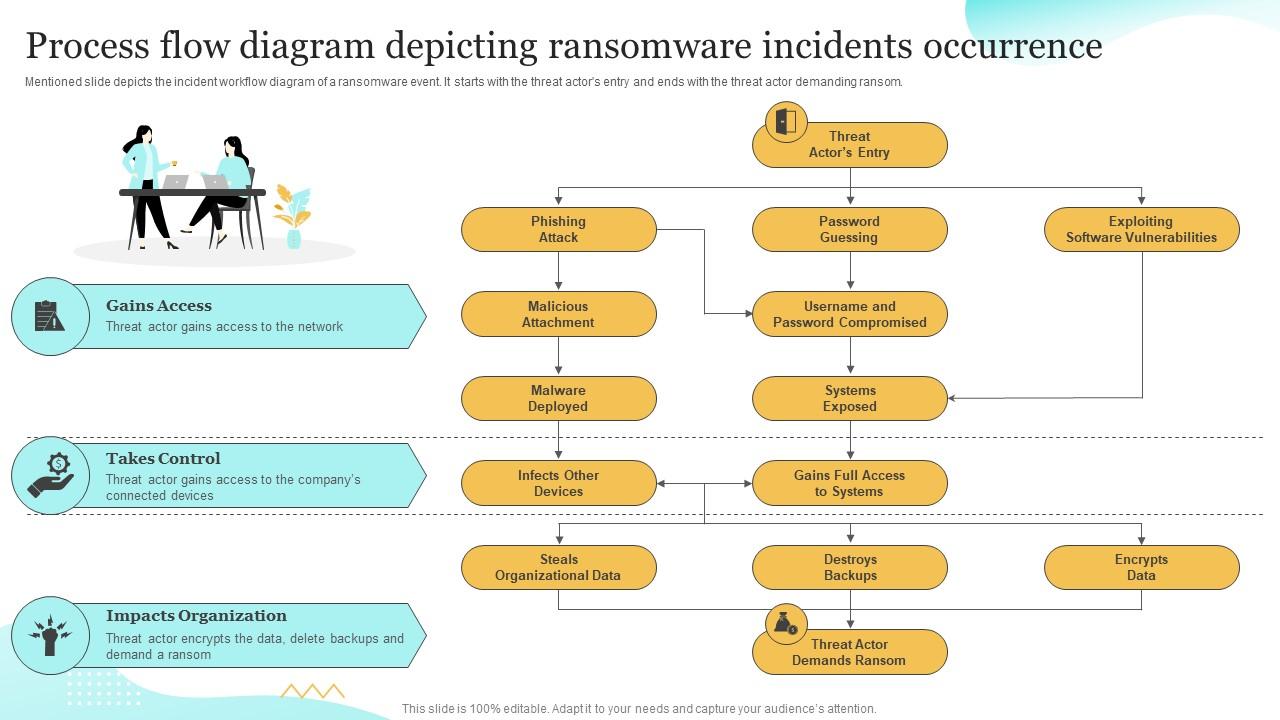
Education and knowledge among staff play a key role in preventing malware attacks. Conducting Cybersecurity Best Practices can help employees identify phishing attempts, suspicious emails, and various common methods used by cybercriminals. Creating a culture of security consciousness will lead to proactive behavior, such as reporting unusual activities and following safe internet and email practices. Encouraging vigilance not only safeguards single users but also strengthens the organization’s overall security approach.
Routine risk assessments and reviews are vital for spotting weaknesses within an organization’s framework. By evaluating current security measures against changing threats, companies can enhance their defenses and focus on improvements. Establishing a timeline for assessments and updates helps ensure that defense measures remain effective and relevant. By implementing these guidelines, organizations can considerably lower their risk of falling victim to malware and additional digital risks.
Email Security Practices
Email remains one of the primary points of entry for cyber extortion, making effective email security measures vital for any organization. Implementing advanced email screening tools can help spot and block malicious attachments and phishing attempts before they reach users' inboxes. Such systems use machine learning and behavioral analysis to identify red flags, substantially lowering the threat of malicious software breach. Additionally, entities should ensure that all employees are trained to spot and notify about phishing emails, additionally enhancing their defenses.
Another crucial measure is to enforce strict access requirements for accessing email accounts. Two-factor authentication adds an extra layer of safeguarding, making it more difficult for malicious actors to gain illicit entry. Robust password guidelines, combined with ongoing updates and password audits, can also help protect email accounts from being compromised. By securing mail accounts, entities can safeguard vital information and lower the chances of ransomware being sent via compromised emails.
Periodically updating and maintaining email servers and associated software is equally important. Vulnerabilities in old mail systems can be utilized by malicious individuals to gain access to company networks. Furthermore, implementing encryption for emails containing confidential information ensures that even if an email is hijacked, the data remains safe. By implementing these electronic mail safeguarding practices, entities can significantly diminish their exposure to malicious software attacks and more effectively safeguard their valuable data.
Data Preservation and Incident Response
A strong data backup strategy is crucial in the struggle against ransomware attacks. Regularly backing up important data ensures that organizations can quickly recover from an attack without yielding to the extortion of cybercriminals. It is important to maintain various backup copies across diverse locations, which may include offsite and cloud backups. This duplication not only protects against ransomware but also shields against other forms of data loss, including unintentional deletions or hardware failures. Testing backup systems frequently for recovery options is equally important to ensure that data can be rapidly recovered when needed.
In parallel with effective backups, having a clear incident response plan is vital for controlling a ransomware attack should one occur. This plan details the steps an organization will take in the event of a breach, detailing the duties of the incident response team. Immediate actions comprise disconnecting affected systems, assessing the extent of the breach, and coordinating with stakeholders. By having a structured approach, organizations can reduce the impact of the incident and return to normal more quickly. Preparedness can make a significant difference in reducing downtime and maintaining business continuity.
In addition, organizations must be mindful of the legal risks tied to ransomware incidents. Failure to comply with data protection regulations can lead to significant fines, alongside loss of credibility. It is necessary to include legal counsel in incident response planning to navigate the complexities of data breaches, particularly regarding notification obligations and potential liability. By integrating solid data backup practices with a comprehensive incident response strategy, organizations can improve their resilience against ransomware and ensure a efficient restoration process if faced with such threats.